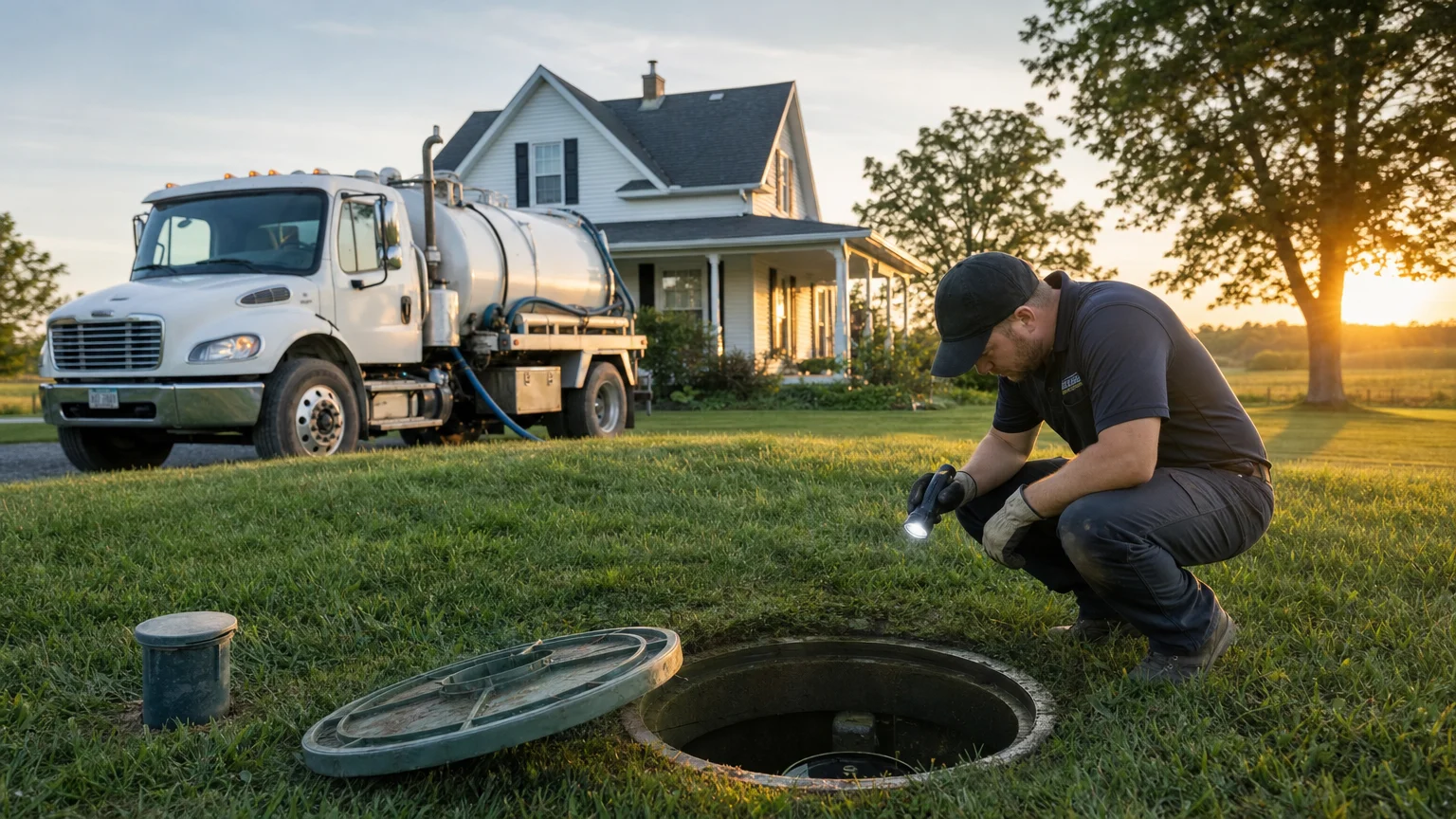
Roughly 25% of Canadian homes rely on private septic systems — and when something goes wrong, the difference between a targeted repair and a full replacement can mean tens of thousands of dollars. Knowing how to tell if your septic system needs replacing vs. repairing is one of the most consequential decisions a rural property owner will face. This guide walks through the key indicators, decision factors, and professional considerations that should inform your next step.
Key Takeaways
- Septic systems typically last 20–40 years depending on design, soil conditions, and maintenance history.
- A single component failure (pump, baffle, riser) usually points toward repair rather than full replacement.
- Saturated leaching beds, repeated system failures, and sewage surfacing on the lawn are strong indicators that replacement is warranted.
- A professional septic inspection is the most reliable way to confirm whether repair or replacement is the right course of action.
- Age alone does not determine the outcome — condition, soil capacity, and local regulatory requirements all factor into the decision.
- Repeated repairs within a short window (two years or less) often cost more than a planned replacement.
- Ontario’s Building Code and local health unit regulations govern what repairs or replacements are permissible.
- Early intervention almost always reduces total cost and environmental risk.
What Are the Most Common Signs That a Septic System Is Failing?
Several warning signs suggest a septic system is under stress, but not all of them point to the same solution. Slow-draining fixtures throughout the home, gurgling sounds in the plumbing, and sewage odours near the tank or leaching bed are the most frequently reported early indicators. These symptoms can result from a blocked inlet baffle, a full tank, or a compromised distribution system — each of which carries a very different repair scope.
More serious signs include sewage backing up into the home, standing water or unusually lush grass over the leaching bed area, and visible sewage surfacing on the lawn. These conditions suggest the system has moved beyond routine stress and may be experiencing structural or soil-level failure. At this stage, a professional assessment is not optional — it is the only way to determine whether the problem is isolated or systemic.
How Do You Decide Between Repair and Replacement?
The core question when evaluating a failing septic system is whether the failure is confined to a single component or whether it reflects the condition of the system as a whole. A straightforward repair is appropriate when the problem is isolated — for example, a cracked tank lid, a failed effluent pump, or a clogged outlet pipe. In these cases, addressing the specific component restores full function without disturbing the rest of the system.
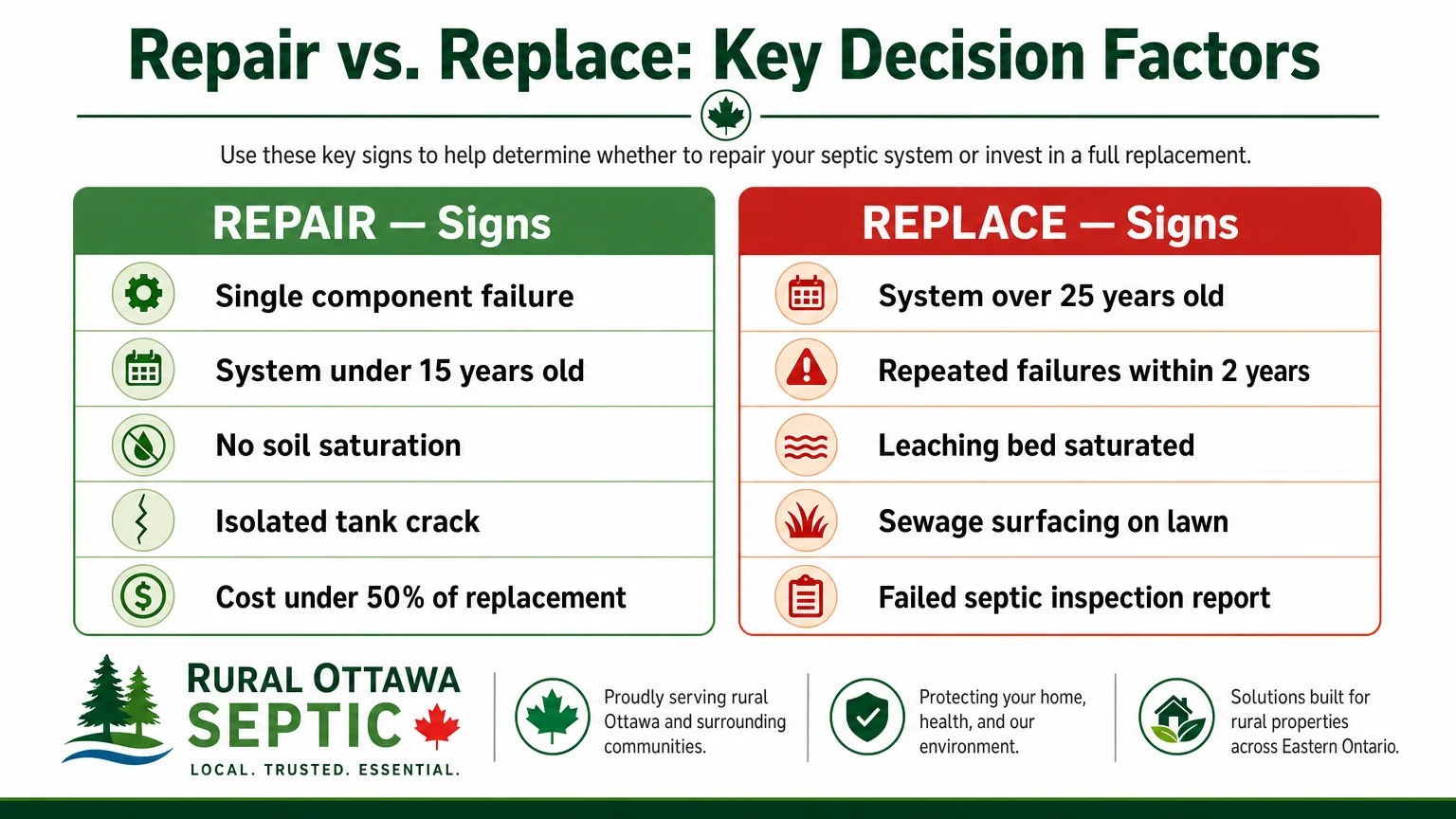
Replacement becomes the more responsible recommendation when multiple components are failing simultaneously, when the leaching bed soil has become permanently saturated, or when the system no longer meets current Ontario Building Code standards. A system that has required two or more significant repairs within 24 months is also a candidate for replacement, since cumulative repair costs frequently approach or exceed the cost of a properly installed new system. The table below summarises the key differentiators:
| Factor | Lean Toward Repair | Lean Toward Replacement |
|---|---|---|
| System age | Under 15–20 years | Over 25 years |
| Failure type | Single component | Multiple or systemic |
| Leaching bed condition | Functional, no saturation | Saturated, biomat present |
| Repair history | First or second incident | Repeated failures |
| Regulatory compliance | Meets current code | Non-compliant design |
| Estimated repair cost | Under 40–50% of replacement | Approaching replacement cost |
How Long Should a Septic System Last in Rural Ottawa?
The lifespan of a septic system in the Ottawa region depends on several variables: the type of system installed, the permeability of the native soil, the volume and composition of wastewater generated, and how consistently the system has been maintained. Conventional gravity-fed systems installed in well-drained sandy loam soils can perform reliably for 30 to 40 years with regular septic tank pumping and routine inspections. Systems in heavier clay soils, or those that have never been pumped, may begin showing signs of failure well before the 20-year mark.
In the Ottawa area, freeze-thaw cycles and seasonal ground movement also place additional stress on tank walls, risers, and distribution pipes. This is why systems that appear structurally sound in summer occasionally present problems in spring following a harsh winter. Annual or biennial inspections are the most effective way to catch age-related wear before it escalates into a failure event.
What Does a Septic Inspection Actually Reveal?
A professional septic inspection provides a detailed picture of every component’s current condition — information that no visual survey from the surface can replicate. The inspection process typically includes locating and exposing the tank access points, measuring sludge and scum layer depths, assessing the condition of inlet and outlet baffles, checking the distribution box for level and integrity, and evaluating the leaching bed for signs of saturation or biomat formation.
The inspection report gives homeowners and their service provider the factual basis needed to make a repair-vs.-replace decision. In many cases, the findings are more favourable than the surface symptoms suggested — a full tank and a blocked baffle can mimic the signs of a failing leaching bed, and pumping alone resolves the issue. In other cases, the inspection confirms that the leaching bed has reached the end of its serviceable life and that leaching bed replacement is the appropriate next step.
When Is Septic System Replacement the Only Viable Option?
Certain conditions make repair impractical or impossible, regardless of budget or preference. A leaching bed that has become permanently saturated with biomat — the biological layer that forms when effluent cannot percolate through the soil — cannot be rehabilitated through pumping or component replacement. The soil itself has lost its treatment capacity, and a new bed must be installed in a different location on the property.
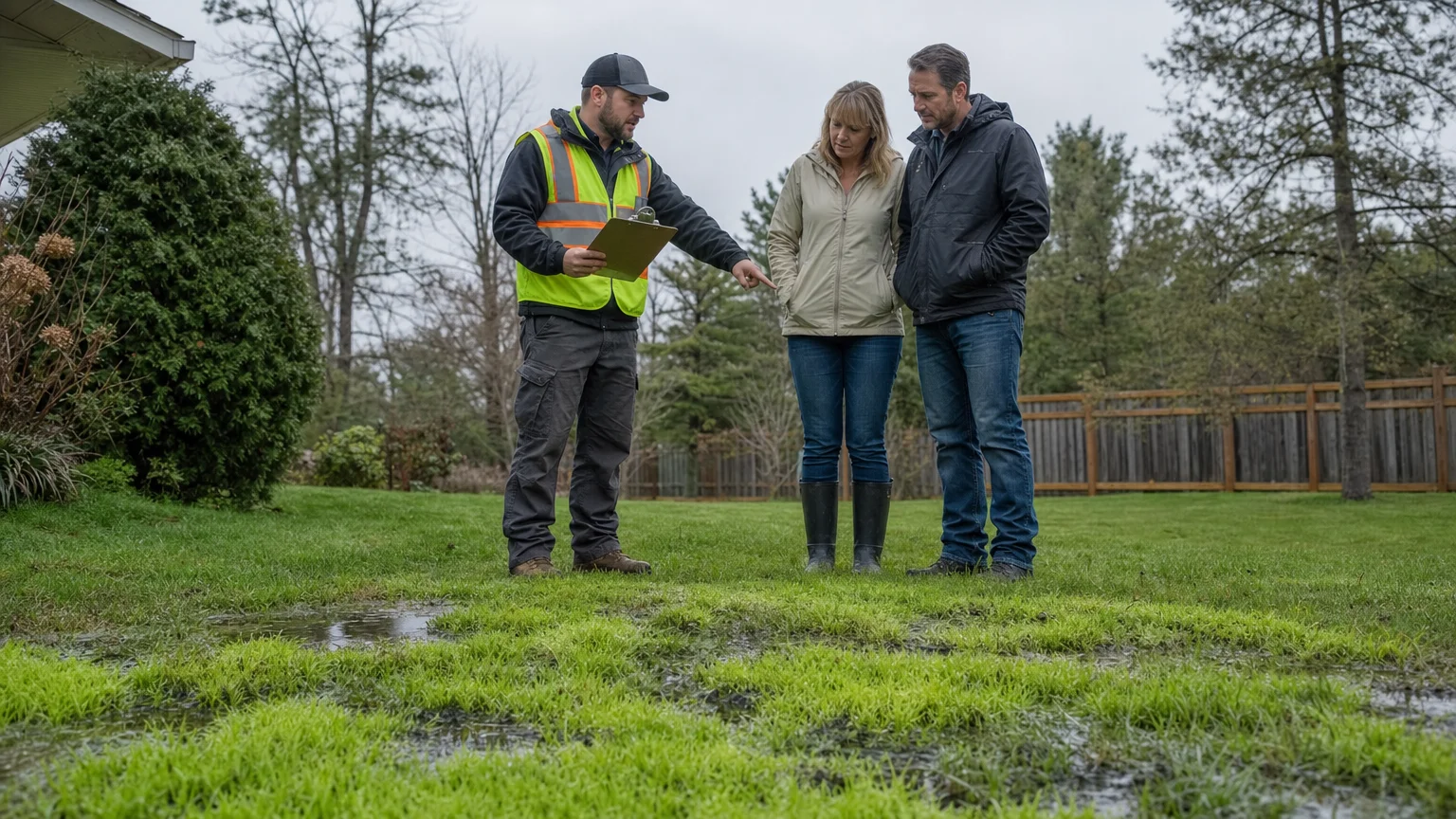
Similarly, a septic tank that has structurally collapsed or corroded to the point where it cannot be safely accessed or repaired must be replaced entirely. Ontario regulations also require that any replacement system meet current design and setback standards, which means older systems that relied on now-prohibited configurations cannot simply be repaired in kind. In these situations, septic system replacement is not a choice — it is a regulatory and public health necessity. Consulting with a qualified contractor early in the process helps homeowners understand their options under the applicable permits before committing to any course of action.
How Do Repair and Replacement Costs Compare?
Cost is a significant factor in every repair-vs.-replace decision, but it should be evaluated in context rather than in isolation. A targeted repair — replacing a failed pump, sealing a crack, or clearing a blocked line — typically ranges from a few hundred to a few thousand dollars depending on the component and access conditions. These costs are predictable and immediate.
Full septic system installation or replacement involves excavation, new tank and leaching bed materials, permits, and site restoration, making it a considerably larger investment. However, a system that requires repeated repairs every one to two years is accumulating costs that compound quickly. When repair expenses over a rolling three-year period approach 50% or more of the replacement cost, most experienced contractors and financial advisors recommend planning for replacement rather than continuing to patch an aging system.
Frequently Asked Questions
How do I know if my leaching bed is failing or just temporarily saturated?
Temporary saturation can occur after heavy rainfall or snowmelt and typically resolves within a few days. Permanent saturation — indicated by consistently wet ground, persistent odours, and sewage surfacing regardless of weather — suggests the soil has lost its treatment capacity and the leaching bed needs professional evaluation or replacement.
Can a septic system be repaired without replacing the tank?
Yes. In many cases the tank itself remains structurally sound while a specific component — such as the outlet baffle, effluent filter, or distribution box — has failed. Replacing the faulty component is often sufficient to restore normal function, provided the leaching bed is also in acceptable condition.
How often should a septic tank be pumped to avoid premature failure?
Most residential septic tanks in Ontario should be pumped every three to five years, depending on household size and usage. Regular pumping prevents sludge and scum from accumulating to levels that allow solids to carry over into the leaching bed, which is one of the leading causes of premature bed failure.
Does a failed septic inspection mean I have to replace the whole system?
Not necessarily. A failed inspection identifies deficiencies, but the required response depends on what those deficiencies are. Minor issues such as a cracked riser or a missing effluent filter can be corrected with targeted repairs. Significant findings such as a non-compliant design or a saturated leaching bed are more likely to require partial or full replacement.
Is it possible to add a second leaching bed instead of replacing the existing one?
In some cases, yes. If sufficient suitable land is available on the property and the soil conditions meet current standards, a new leaching bed can be installed while the old one is rested and potentially allowed to recover. This approach requires a site assessment and permit approval from the local health unit.
How long does a septic system replacement take from inspection to completion?
The timeline varies based on permit processing times, contractor availability, and site conditions. In the Ottawa area, the permitting process alone can take several weeks. Once permits are in hand, installation of a new system typically takes one to three days of active work, followed by site restoration.
What happens if I ignore the warning signs and delay getting an inspection?
Delaying action when warning signs are present increases the risk of a complete system failure, which can result in sewage backing up into the home, contamination of nearby wells or watercourses, and significantly higher remediation costs. Regulatory authorities in Ontario can also require emergency remediation at the homeowner’s expense if a failing system poses a public health risk.
Making the Right Decision for Your Property
Determining how to tell if your septic system needs replacing vs. repairing is rarely a decision that can be made from the surface alone. The warning signs provide direction, but a professional inspection provides the facts. For rural Ottawa homeowners, acting on early indicators — rather than waiting for a complete failure — consistently produces better outcomes in terms of cost, disruption, and system longevity.
If you are noticing any of the warning signs described in this article, the most productive next step is to schedule a professional assessment. Contact Rural Ottawa Septic to arrange an inspection and receive a clear, honest evaluation of your system’s condition and your available options.
Frequently Asked Questions
How do I know if my leaching bed is failing or just temporarily saturated?
Temporary saturation can occur after heavy rainfall or snowmelt and typically resolves within a few days. Permanent saturation — indicated by consistently wet ground, persistent odours, and sewage surfacing regardless of weather — suggests the soil has lost its treatment capacity and the leaching bed needs professional evaluation or replacement.
Can a septic system be repaired without replacing the tank?
Yes. In many cases the tank itself remains structurally sound while a specific component — such as the outlet baffle, effluent filter, or distribution box — has failed. Replacing the faulty component is often sufficient to restore normal function, provided the leaching bed is also in acceptable condition.
How often should a septic tank be pumped to avoid premature failure?
Most residential septic tanks in Ontario should be pumped every three to five years, depending on household size and usage. Regular pumping prevents sludge and scum from accumulating to levels that allow solids to carry over into the leaching bed, which is one of the leading causes of premature bed failure.
Does a failed septic inspection mean I have to replace the whole system?
Not necessarily. A failed inspection identifies deficiencies, but the required response depends on what those deficiencies are. Minor issues such as a cracked riser or a missing effluent filter can be corrected with targeted repairs. Significant findings such as a non-compliant design or a saturated leaching bed are more likely to require partial or full replacement.
Is it possible to add a second leaching bed instead of replacing the existing one?
In some cases, yes. If sufficient suitable land is available on the property and the soil conditions meet current standards, a new leaching bed can be installed while the old one is rested and potentially allowed to recover. This approach requires a site assessment and permit approval from the local health unit.
How long does a septic system replacement take from inspection to completion?
The timeline varies based on permit processing times, contractor availability, and site conditions. In the Ottawa area, the permitting process alone can take several weeks. Once permits are in hand, installation of a new system typically takes one to three days of active work, followed by site restoration.
What happens if I ignore the warning signs and delay getting an inspection?
Delaying action when warning signs are present increases the risk of a complete system failure, which can result in sewage backing up into the home, contamination of nearby wells or watercourses, and significantly higher remediation costs. Regulatory authorities in Ontario can also require emergency remediation at the homeowner's expense if a failing system poses a public health risk.
Contributing writer at Rural Ottawa Septic.