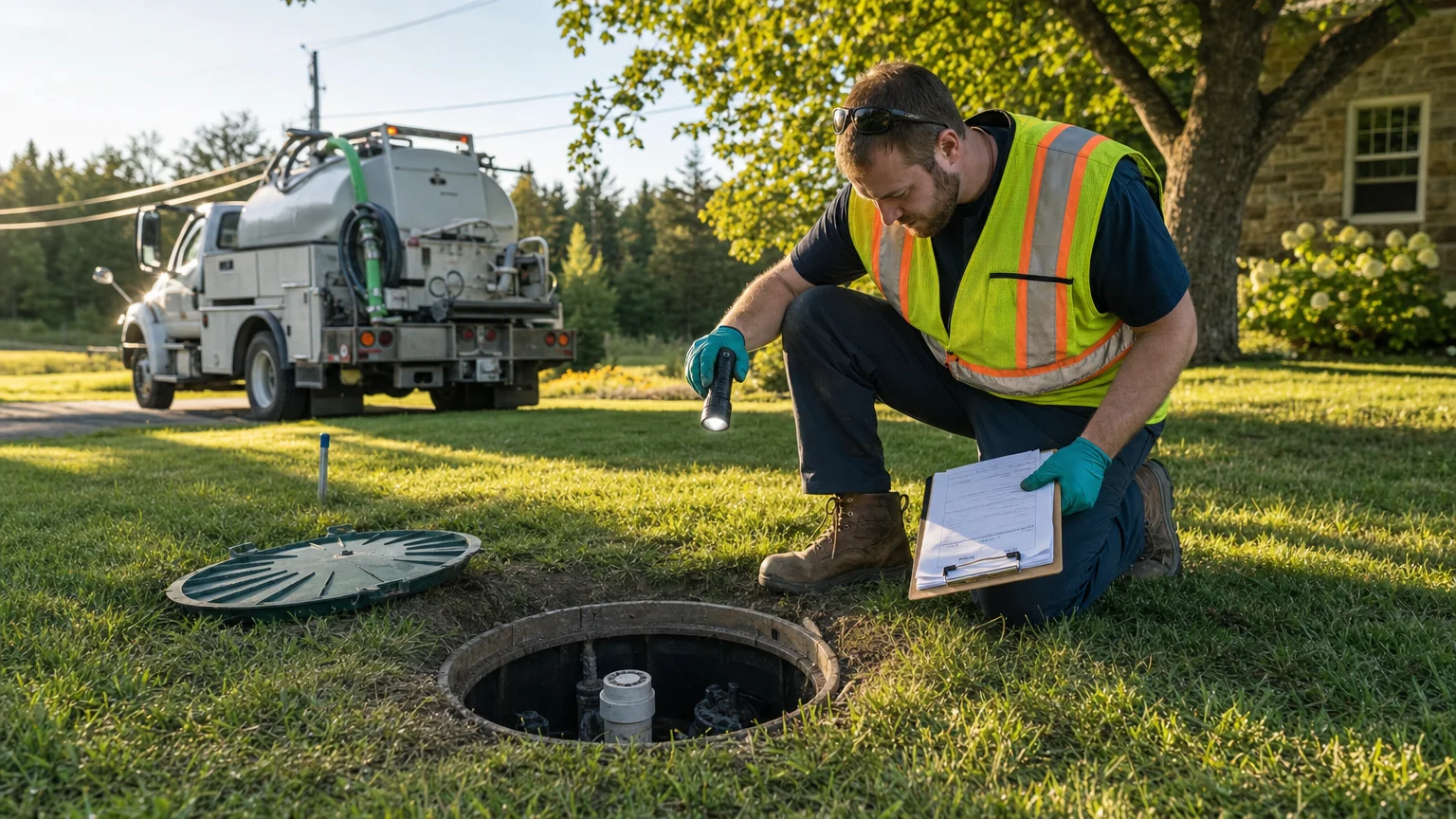
Septic System Installation in Ottawa, Ontario — Done Right From the Ground Up
New construction, a failed system, or a property that has never had sewer service all lead to the same need: a properly designed and permitted septic system. Rural Ottawa Septic manages every stage of septic system installation for rural and semi-rural properties in the Ottawa area, including septic design and permits, excavation, and regulatory inspection support. The result is a compliant, long-lasting system built for your specific lot — not a generic solution.
What Is Septic System Installation?
Septic system installation is the complete process of designing, permitting, and constructing a new on-site wastewater treatment system where no municipal sewer connection exists. It covers everything from the initial soil evaluation and site-specific design through to tank placement, leaching bed construction, and the mandatory health unit inspection that gives the system legal sign-off.
Installation is distinct from septic system replacement (which involves removing an existing system) and from leaching bed replacement (which addresses only the distribution component). A full installation is typically required for new builds, newly severed lots, or properties converting from a holding tank to a permanent system.
A standard residential septic system has two main components: the septic tank, which separates solids from liquids, and the leaching bed (also called a tile bed or drain field), which disperses treated effluent into the soil. The design of both components must meet Ontario Building Code requirements and be approved by the local health unit before any ground is broken.
What does a septic system installation include?
A complete septic system installation includes a site assessment, soil evaluation, engineered system design, permit application, excavation, tank and distribution system installation, backfilling, and a final inspection by the local health unit. Rural Ottawa Septic manages all of these stages. Post-installation, you receive documentation of the system’s design and location — a record you will need for future septic inspections, property sales, or repairs.
Who needs a new septic system installed?
Anyone building a new home or structure on a property without municipal sewer access needs a new septic system before occupancy. New septic installations are also required for newly severed rural lots, properties converting from a holding tank to a permanent system, and in some cases where an existing system has failed beyond repair and a full new installation is the only compliant solution.
What is the difference between a septic system and a holding tank?
A septic system treats and disperses wastewater on-site through a tank and leaching bed; it is a permanent, long-term solution. A holding tank simply stores wastewater until it is pumped out — it does not treat or disperse anything. Holding tanks require frequent pumping and are generally only permitted as a temporary or last-resort measure in Ontario. Most property owners on holding tanks eventually transition to a full septic system.
Signs You Need Septic System Installation
A new septic system installation is needed when no compliant system currently exists or when the existing system is beyond repair. The following are clear, observable indicators that installation — rather than repair — is the appropriate solution.
- New construction with no existing sewer connection. If you are building on a lot that has never had a wastewater system, installation is required before the home can be occupied.
- A newly severed or purchased rural lot. Lots created through severance or rural land purchases often have no existing septic infrastructure and require a system before development can proceed.
- A condemned or failed system with no repairable components. When a health unit orders a system decommissioned and the tank, bed, and distribution components are all beyond serviceable life, a fresh installation is the only path forward.
- A property currently on a holding tank. Holding tanks are not a permanent solution under Ontario regulations; transitioning to a full septic system is typically required when a permanent structure is in place.
- Chronic sewage surfacing or persistent drain backups with no fixable cause. If septic system repair has been exhausted and the underlying system cannot be rehabilitated, installation of a new system is the next step.
- A system installed without permits that cannot be brought into compliance. Unpermitted systems discovered during a property sale or septic inspection sometimes cannot be retroactively approved and must be replaced with a fully permitted installation.
- Significant expansion of a home that exceeds the existing system’s design capacity. Adding bedrooms or a secondary dwelling unit beyond what the original system was sized for may require a new, larger installation.
How Much Does Septic System Installation Cost in Ottawa, Ontario?
Septic system installation costs in Ottawa, Ontario vary significantly based on site conditions, system type, and lot characteristics — no accurate price can be given without a site assessment. The table below outlines the main factors that influence cost. Contact Rural Ottawa Septic to discuss your specific property and receive a quote based on real site data.
| Service / Situation | Typical Range | What Affects Price |
|---|---|---|
| Conventional gravity-fed system, standard soil | Varies — quote required | Lot size, soil permeability, tank size, distance from structure |
| Raised bed or engineered system | Higher than conventional — quote required | Poor soil conditions, high water table, shallow bedrock |
| Large property or multi-bedroom home | Higher than standard — quote required | System sizing requirements, volume of excavation |
| Permit and design fees | Included in full-service quotes | Health unit fees, design complexity |
What is typically included in a full installation quote:
- Site assessment and soil evaluation
- Septic system design
- Permit application preparation and submission
- All excavation and installation labour
- Tank and distribution system materials (confirm scope at quoting stage)
- Coordination with health unit inspector for final sign-off
What may not be included (confirm at quoting stage):
- Restoration of landscaping, driveways, or structures disturbed during excavation
- Additional engineering reports if site conditions require specialist input
- Health unit permit fees (these are third-party fees set by the municipality)
Is septic system installation covered by insurance in Ontario?
New septic system installation is generally not covered by standard home insurance policies, as it is a capital improvement rather than a sudden loss event. Some policies may cover emergency replacement if a system failure causes property damage — review your policy with your broker. Financing options and payment terms are a conversation to have directly with Rural Ottawa Septic when requesting a quote.
How long does septic system installation take?
Active on-site installation work for a residential system typically takes two to five days, depending on system size, soil conditions, and weather. The full timeline from initial contact to a signed-off, usable system is longer — permit approval from the health unit can take several weeks. Starting the process early, before your build schedule requires the system to be operational, is strongly recommended.
Does Rural Ottawa Septic handle the permits, or do I apply myself?
Rural Ottawa Septic handles permit preparation and submission as part of the installation service. You do not need to navigate the health unit application process on your own. For more detail on how the design and permit stage works, see the Septic Design and Permits service page.
Why Choose Rural Ottawa Septic?
Rural Ottawa Septic is a dedicated septic services company serving rural and semi-rural properties in the Ottawa, Ontario area. The full range of services — from installation and replacement through to inspections, pumping, and emergency response — is handled by an experienced local team that understands the soil conditions, regulatory requirements, and practical realities of Ottawa-area properties.
- Local knowledge of Ottawa-area conditions. Soil types, water table depths, and setback requirements vary across Ottawa’s rural communities. Working with a team that knows the local landscape reduces surprises during design and installation.
- End-to-end project management. From the first site visit through to the health unit sign-off, Rural Ottawa Septic manages the process — you are not left co-ordinating between a designer, an excavator, and a permit office separately.
- Compliance-first approach. Every installation is designed and built to meet Ontario Building Code and Environmental Protection Act requirements. Proper permitting protects your property value and your legal standing.
- Ongoing service relationship. After installation, your system will need periodic septic tank pumping and eventual septic inspections. Working with the same company that installed your system means they already know its design and history.
To learn more about the team behind the work, visit the about Rural Ottawa Septic page.
Book Your Septic System Installation in Ottawa, Ontario
Rural Ottawa Septic manages septic system installation from site assessment and permit applications through to excavation, installation, and health unit sign-off — all for properties across the Ottawa, Ontario area.
Ready to get started?
- Call us at [PHONE NUMBER] to speak directly with the team about your property and timeline.
- Use the contact form at get a free quote to describe your project and request a site assessment.
After you reach out, a member of the Rural Ottawa Septic team will follow up to discuss your property’s specifics, arrange a site visit, and outline the next steps — including design, permitting, and installation scheduling. There is no obligation to proceed after the initial conversation.
Last updated: September 2026
Areas We Serve
Frequently Asked Questions
Do I need a permit to install a septic system in Ottawa, Ontario?
Yes — a permit from the local health unit is required before any septic system installation begins in Ottawa and across Ontario. This is a legal requirement under the Ontario Building Code and the Environmental Protection Act, not optional paperwork. Rural Ottawa Septic prepares and submits all permit documentation on your behalf as part of the installation service.
How long does a new septic system installation take?
Most residential installations in the Ottawa area involve two to five days of active on-site work, depending on soil conditions, system size, and weather. However, the full timeline from first contact to a signed-off, usable system is longer — health unit permit approval can add several weeks. Planning ahead before your build schedule requires the system to be operational is strongly recommended.
What type of septic system is right for my Ottawa-area property?
The right system depends on your lot size, soil permeability, depth to bedrock or water table, and the number of bedrooms in the home. No system type can be recommended without a site assessment and soil evaluation — Rural Ottawa Septic conducts this assessment as the first step of every installation project. Properties with challenging soil conditions may require a raised bed or engineered system rather than a conventional gravity-fed design.
Can I build on my property before the septic system is installed?
Generally, no. In Ontario, a building permit for a new home typically requires a septic permit to be issued first, or at minimum concurrently. Rural Ottawa Septic can help you sequence the permit applications correctly to avoid delays to your construction timeline. If you are unsure about the order of operations, contact us early in the planning process.
What happens if my property fails a percolation test?
If a standard percolation (perc) test shows the soil cannot support a conventional system, alternative designs — such as raised beds, mound systems, or other engineered solutions — may be required. These systems are more complex and typically cost more than conventional installations, but they are a compliant path forward for challenging sites. Rural Ottawa Septic's design process accounts for difficult soil conditions and identifies the options available for your specific lot.
Will an unpermitted septic system cause problems when I sell my property?
Yes. In Ontario, the presence of an unpermitted or non-compliant septic system is a material fact that must be disclosed in a real estate transaction. It can delay or derail a sale, reduce your property's value, or expose you to legal liability. If you have concerns about an existing system's permit status, a septic inspection is the starting point for understanding your situation.
How do I maintain my new septic system after installation?
The most important maintenance habits are avoiding flushing non-biodegradable materials, conserving water to prevent hydraulic overload, and keeping heavy vehicles off the leaching bed area. Scheduling regular septic tank pumping — typically every three to five years for a residential system — prevents solids from migrating into the leaching bed and extending the system's life. Rural Ottawa Septic offers pumping as part of its ongoing service offerings. For more guidance, visit our blog.